The new EU pact is changing how Europe approaches the refugee crisis. It’s a big topic, so I wanted to share a quick overview of what it means for refugees across Europe, and our partners who support them.
The new EU Pact in 30 seconds
The new rules introduce:
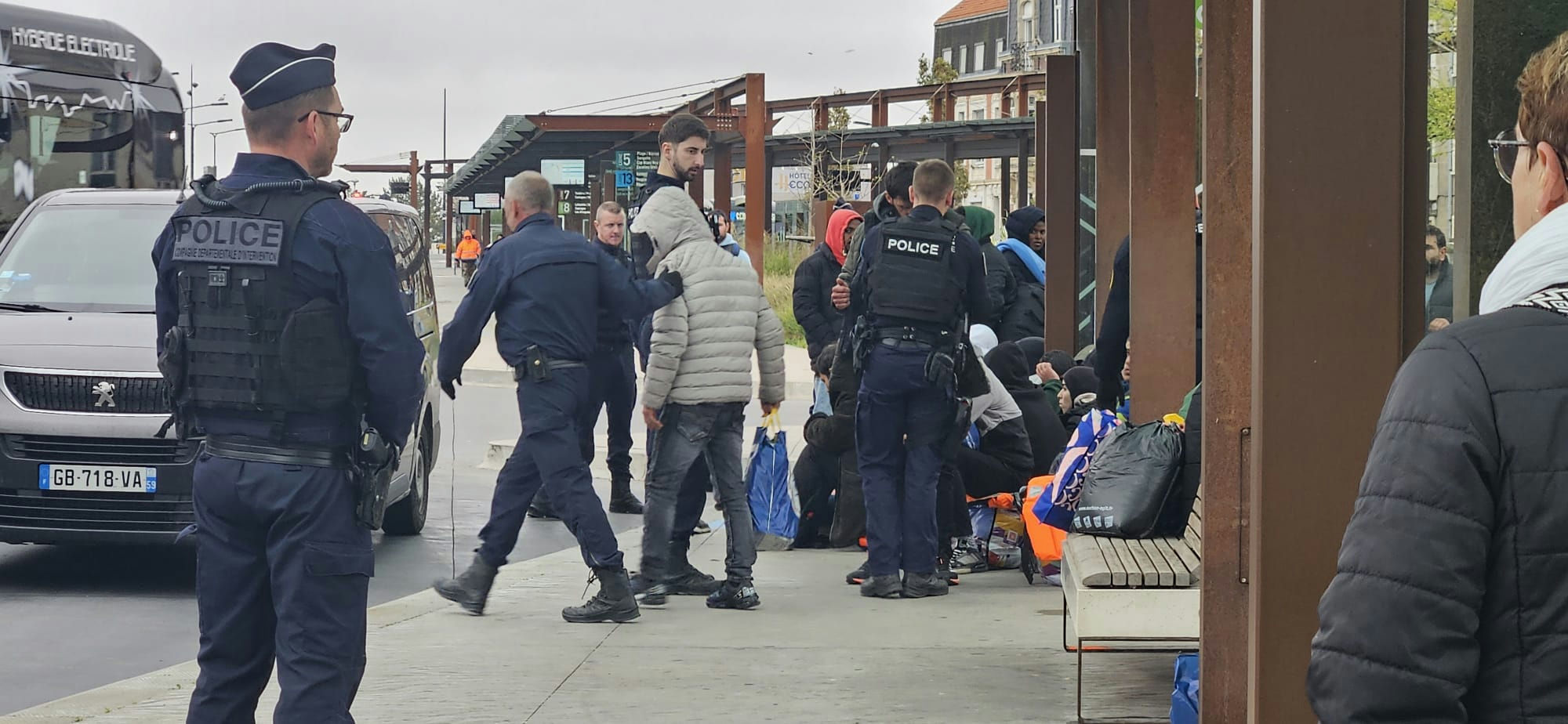
📄 screening for people arriving at the EU’s external borders without the required entry documents
📈 more asylum applications processed through faster border procedures
❌ closer links between rejected applications and return procedures
🇪🇺 a permanent system for sharing responsibility between EU countries.
The European Commission says the Pact will create a more coordinated, efficient and predictable system. Human Rights Watch and other civil society organisations have raised concerns about its potential effects on access to asylum, fair procedures and fundamental rights.
What could this mean for people seeking asylum?
Some people may remain at or near the EU’s external borders while their asylum applications are assessed. Human Rights Watch warns that these procedures could involve detention or detention-like conditions, creating further uncertainty for people who may already have experienced conflict, persecution or dangerous journeys.
Accelerated procedures may also make it harder for people to understand unfamiliar rules, find a lawyer, gather evidence or explain traumatic experiences. The Pact provides access to free legal counselling during border procedures, but the availability and quality of that support may differ between countries.
We already know that periods of waiting and uncertainty affect people’s mental wellbeing, family lives and access to healthcare and education. Increased stress and confusion in an already incredibly challenging situation will only exacerbate this.
What does this mean for our partners?
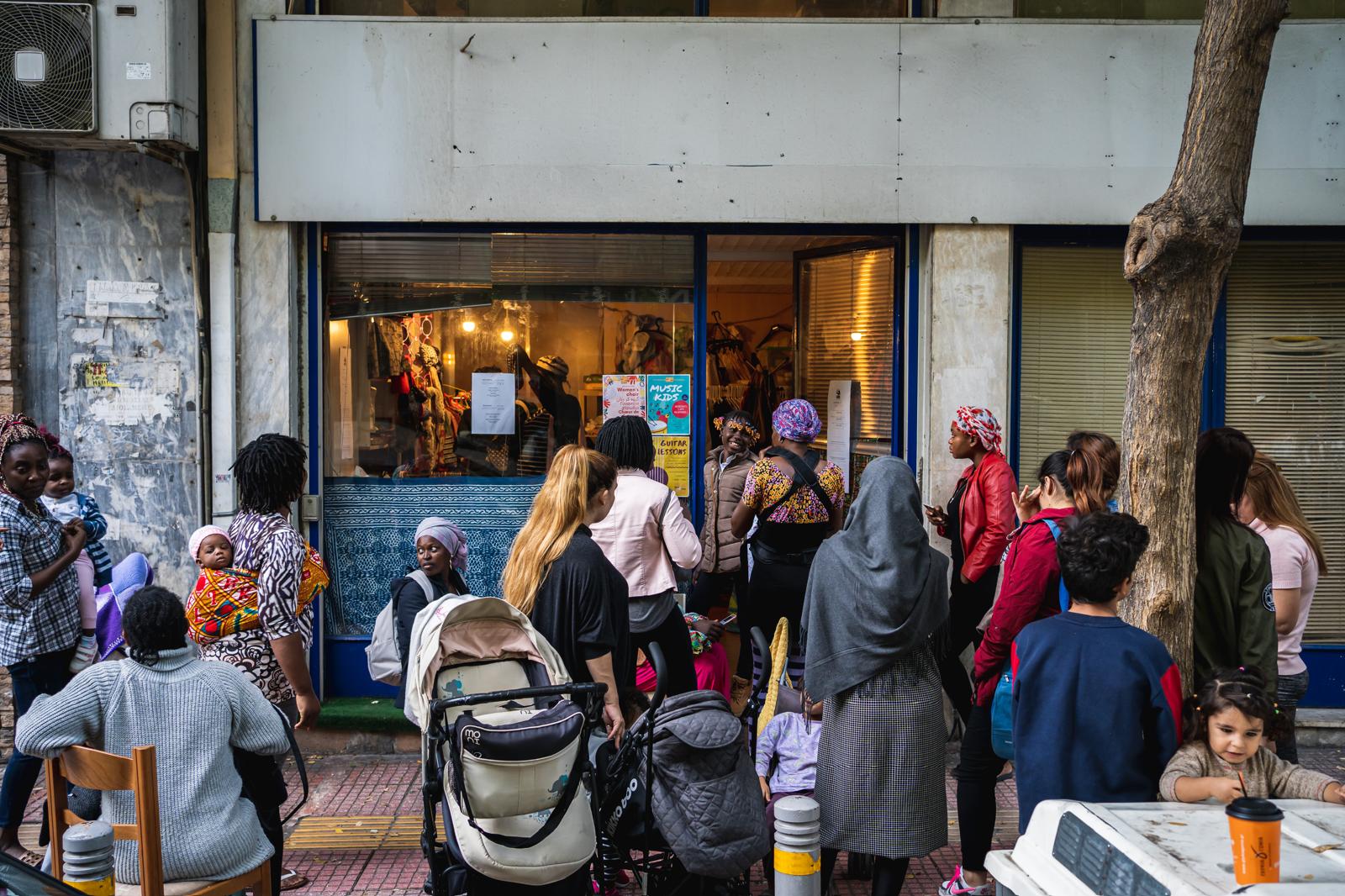
In the absence of sufficient governmental support, grassroots organisations are often among the first places people turn to for help. But our partners around Europe cannot replace functioning public asylum systems.
Their local knowledge, trusted relationships and ability to respond quickly can make a crucial difference to people navigating an unfamiliar and increasingly complex process - but they are already stretched by the demand on their services, and this will only increase. We’re already hearing that many are having to let staff go and reduce services as funding is harder to secure than ever.
Standing with people seeking safety
At forRefugees we believe the EU Pact’s success should not be measured only by how quickly decisions are made. It must also be measured by whether the people who navigate the system can understand their rights, access fair procedures and receive the support they need.
As Europe’s asylum system changes, we will continue standing alongside the grassroots organisations providing practical assistance, dignity and community to people seeking safety. And we’ll do our best to help you stay informed and let you know how you can help.
Want to stay informed of system changes and their impact? Follow us on Instagram where we share news from the front lines of the refugee crisis.